






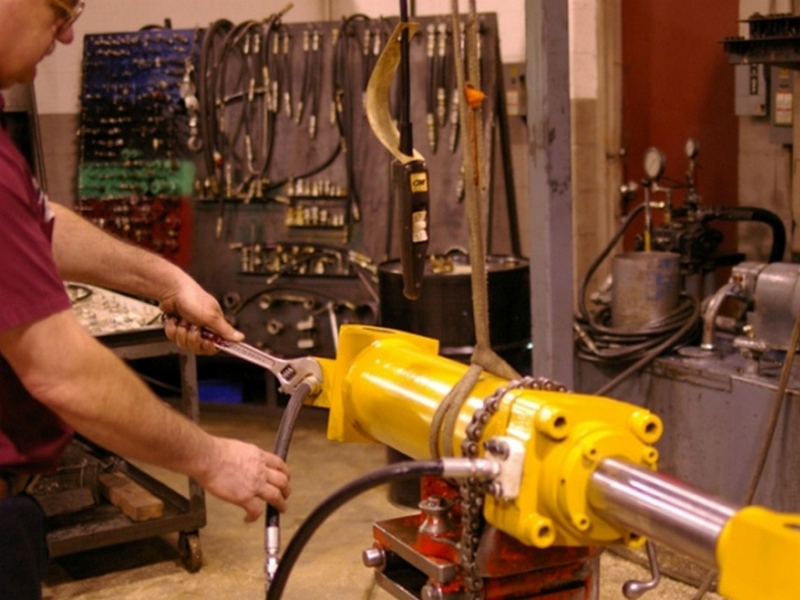
Selecting the right Hydraulic Pumps is crucial for ensuring optimal performance and efficiency in various applications. Whether you are involved in construction, manufacturing, agriculture, or any industry that requires the use of hydraulic systems, choosing the right pump can make a significant difference.
In this blog post, we will explore the key factors to consider when selecting a hydraulic pump and provide you with valuable insights to help you make an informed decision.
Understanding Your Needs
Before diving into the technicalities of hydraulic pumps, it is essential to assess your specific requirements. Understanding your needs will enable you to choose a pump that is tailored to your particular application and industry. Hydraulic pumps are commonly used in industries such as construction, agriculture, manufacturing, and transportation, to power various equipment and machinery. From hydraulic presses to cranes, loaders to excavators, hydraulic pumps play a crucial role in these applications.
Consider scenarios where a hydraulic pump may be necessary. For instance, in the construction industry, hydraulic pumps are used to power heavy machinery such as bulldozers, excavators, and cranes. These pumps provide the necessary force and power to perform tasks like lifting heavy loads, digging trenches, and moving large objects. In the agricultural sector, hydraulic pumps are used in tractors and other farm equipment to perform tasks like lifting, lowering, and steering attachments.
Types of Hydraulic Pumps
There are two main types of hydraulic pumps: gear pumps and piston pumps. Understanding the characteristics, advantages, and limitations of each type will help you determine which one is more suitable for your needs.
Gear pumps are commonly used in applications where simplicity, reliability, and cost-effectiveness are important factors. They operate by trapping fluid between two meshed gears and transporting it from the inlet to the outlet. Gear pumps are known for their compact size, quiet operation, and the ability to handle high pressures. However, they may not be suitable for applications that require precise control of flow or operate at high speeds.
On the other hand, piston pumps are more versatile and capable of handling a wide range of flow rates and pressures. They are often used in applications that require precise control, high efficiency, and heavy-duty performance. Piston pumps operate by using reciprocating pistons to displace fluid. They are available in various designs, such as axial piston pumps, radial piston pumps, and bent-axis piston pumps. While piston pumps offer excellent performance, they are typically more expensive and require higher maintenance compared to gear pumps.
Key Factors to Consider
When selecting a hydraulic pump, several key factors need to be considered. These include flow rate, pressure requirements, system compatibility, operating conditions, maintenance needs, and cost.
Flow rate refers to the volume of fluid that the pump can deliver per unit of time and is usually measured in gallons per minute (GPM). It is crucial to choose a pump that can meet the flow requirements of your application. Pressure requirements, on the other hand, refer to the amount of pressure the pump can generate to power the hydraulic system. It is essential to select a pump that can deliver the required pressure to perform the desired tasks efficiently.
System compatibility is another critical factor to consider. Ensure that the pump you choose is compatible with the hydraulic system in terms of fluid type, viscosity, and temperature range. Operating conditions, such as ambient temperature, environment, and duty cycle, should also be taken into account to ensure the pump can withstand the specific conditions it will be exposed to.
Maintenance needs and cost are also important considerations. Some pumps may require more frequent maintenance, such as lubrication or seal replacement, which can add to the overall cost of ownership. Additionally, the initial cost of the pump should be balanced with its performance, durability, and long-term cost-effectiveness.
Researching and Comparing Options
To make an informed decision on hydraulic pumps and Hydraulic Oil Australia, thorough research on various manufacturers or suppliers is vital. The quality, reliability, and reputation of the manufacturer significantly impact the pump’s performance and longevity. Seek reputable manufacturers known for high-quality pumps and compatible hydraulic oils to ensure efficient and durable hydraulic system operation.
Online resources, trade publications, and industry forums can be valuable sources of information when researching hydraulic pumps. These platforms often provide insights, reviews, and recommendations from professionals or experienced users who have firsthand knowledge of different pump models and brands. Seeking recommendations from industry experts or consulting with hydraulic system specialists can also provide valuable insights and guidance in selecting the best pump for your needs.
Reading Product Specifications
Once you have narrowed down your options, it is crucial to review the product specifications of the hydraulic pump in detail. Product specifications provide important information about the pump’s performance, capabilities, and compatibility with your specific requirements.
Pay close attention to key specifications such as horsepower, displacement volume, operating pressure range, and speed rating. These specifications will help determine if the pump can meet the flow and pressure requirements of your application. Additionally, consider factors like pump size and weight, noise level, and electrical or hydraulic control options, as these may impact the installation and operation of the pump.
Making an Informed Decision
To evaluate different options and make an informed decision, it can be helpful to create a checklist or matrix to compare the features and specifications of each pump. This will allow you to easily identify the strengths and weaknesses of each option and determine which one aligns best with your specific requirements.
Consider factors such as flow rate, pressure capabilities, system compatibility, operating conditions, maintenance needs, and cost. Prioritise these factors based on their importance to your application and assign a weight or score to each factor. By assigning a numerical value to each factor, you can quantitatively compare and evaluate the different pump options.
Final Thoughts
Selecting the best hydraulic pumps for your needs is a critical decision that can greatly impact the performance and efficiency of your hydraulic system. By understanding your specific requirements, researching different options, and evaluating key factors, you can make an informed decision that will result in long-term success.
Take your time during the selection process and don’t hesitate to seek advice or recommendations from industry professionals. By considering factors such as flow rate, pressure requirements, system compatibility, operating conditions, maintenance needs, and cost, you can ensure that the hydraulic pump you choose is the best fit for your application.